What is the State of Ecommerce Across Asia in 2026? A Comprehensive 15-Market Tracker
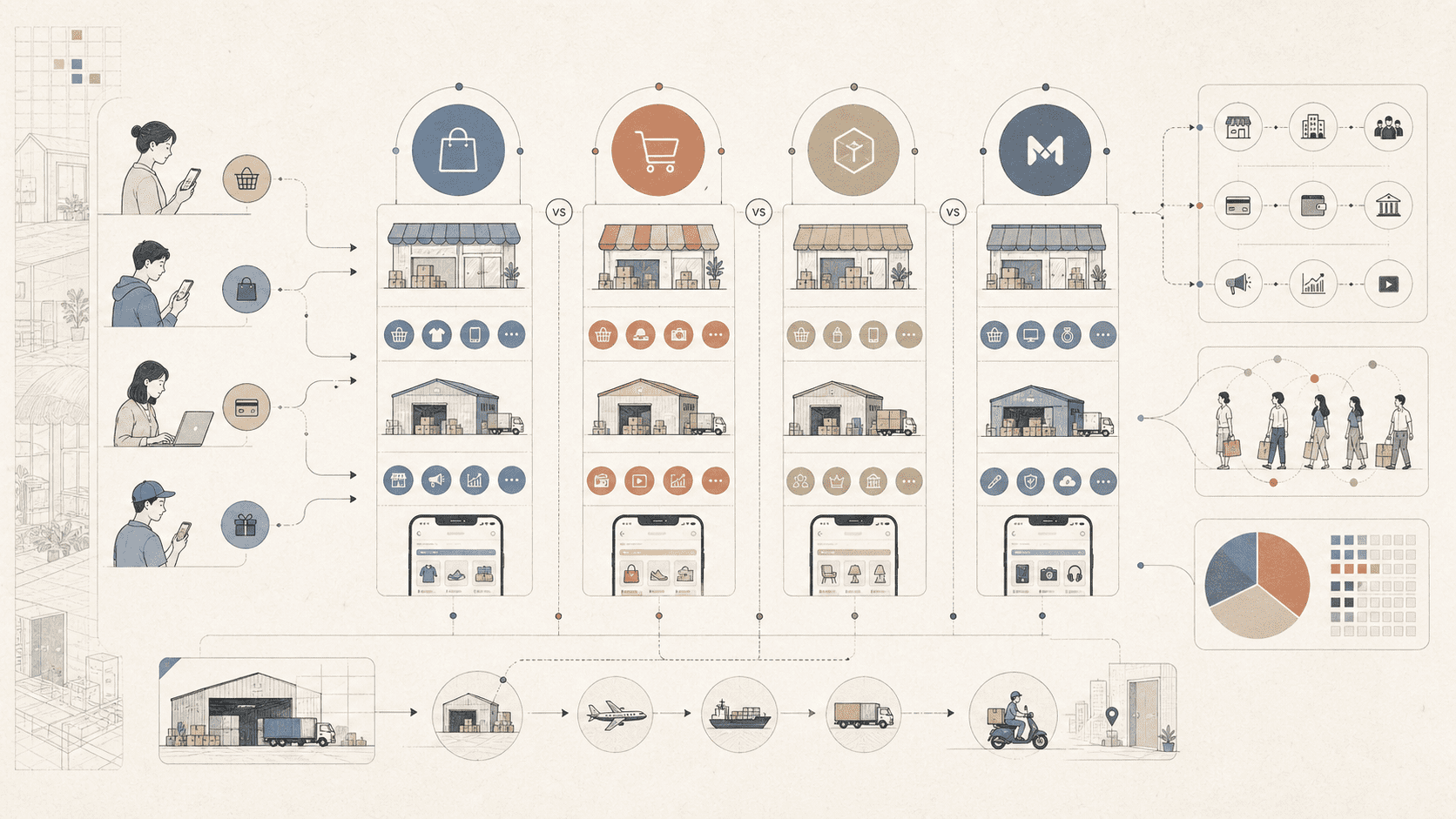
A working tracker of who owns e-commerce GMV across fifteen Asian markets. Shopee, Coupang, Rakuten, Taobao, Flipkart — every leader is Asian-headquartered.
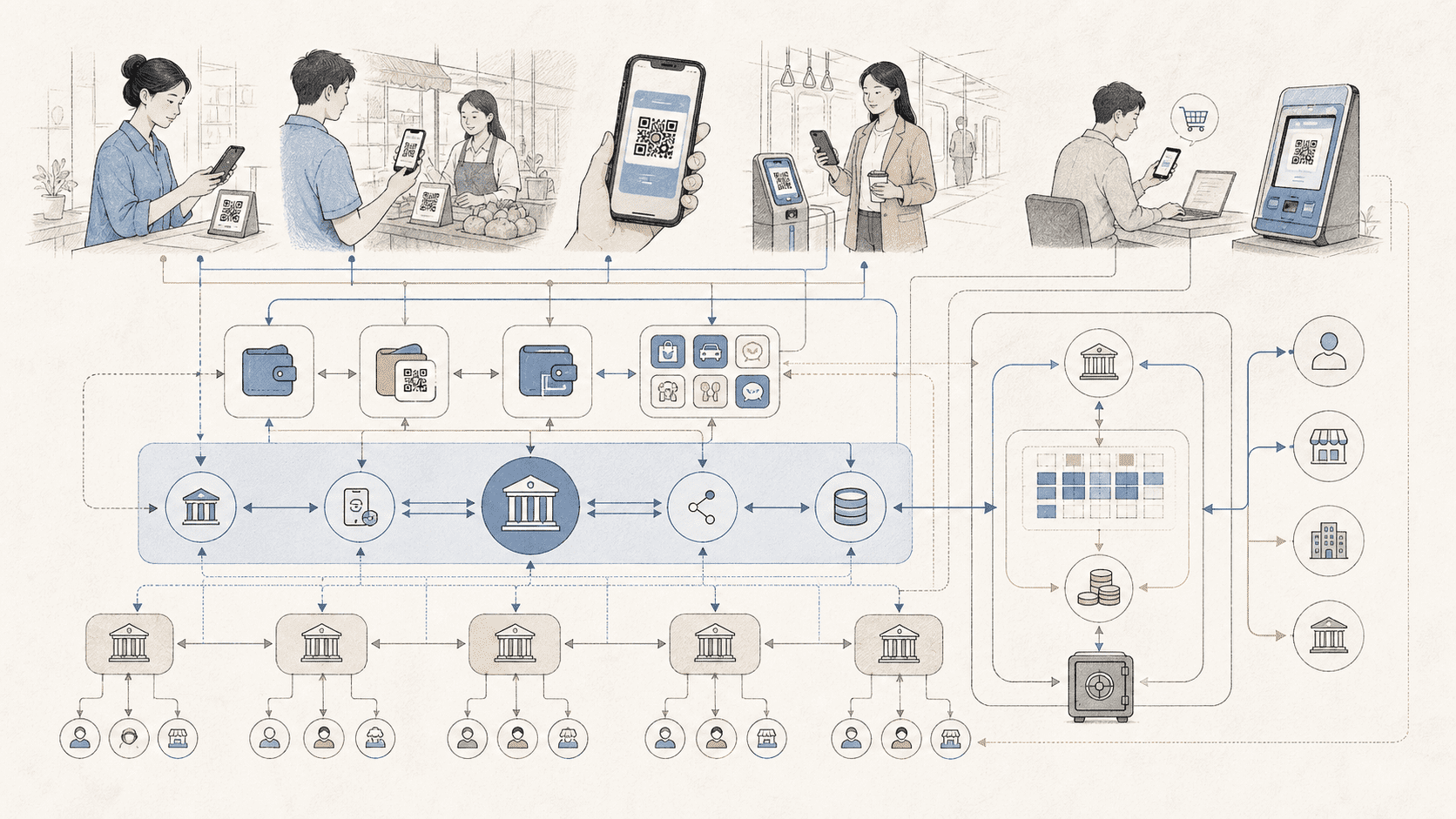
A working tracker of who owns mobile payments across fifteen Asian markets. Alipay and WeChat Pay in China, UPI in India, GCash in the Philippines, and a region-specific stack everywhere else.
How Asian gamers actually spend their time and money — by market. Mobile MOBAs in SEA, mobile gacha in Japan, premium PC and console in Korea, and a regulated mainland Chinese market that still sets the pace globally.
A tour through the benchmarks that actually measure LLM performance in Asian languages — Nejumi, KMMLU, BnMMLU, SEA-HELM — and what they tell us about the frontier vs domestic gap.
A working tracker of where ChatGPT, Claude, Gemini, Grok, and the major Chinese LLMs are accessible across fifteen Asian markets. Last updated April 2026.
Razorpay is India’s dominant full-stack payments and business banking platform, processing an annualised total payment volume (TPV) of $180 billion across more than 12 million merchants. Co-founded in 2014 by … Read more
PhonePe processes nearly half of all digital payments in India, and it’s not particularly close. As of December 2025, the Walmart-backed fintech held a 48.7% share of UPI transaction value … Read more
Paytm’s story is the most dramatic comeback arc in Asian fintech. The company — formally One97 Communications — went public in November 2021 at a $20 billion valuation, watched its … Read more
Southeast Asia’s e-commerce platforms generated $157.6 billion in GMV in 2025, up 22.8% year-on-year (Momentum Works, April 2026). India’s e-retail market crossed $65 billion in the same period, growing 19–21% … Read more
PhonePe processes 48% of all UPI transactions in India. Paytm handles roughly 7%. Two years ago, that gap was half as wide. The Reserve Bank of India’s crackdown on Paytm … Read more