What AI Models Can You Use in China? 2026

ChatGPT, Claude and Gemini are all officially blocked in mainland China. The workarounds, and why China’s own models — Doubao, DeepSeek, Qwen — now dominate.

ChatGPT, Claude and Gemini are all officially blocked in mainland China. The workarounds, and why China’s own models — Doubao, DeepSeek, Qwen — now dominate.

China leads at both ends of the games trade – a $49.8B home market of 683M players and $20.5B in game exports, more than most countries’ entire markets.
China live commerce is clearing $1 trillion a year — and it is not QVC on a phone. How the closed-loop system works, and why Douyin is years ahead of TikTok.

Asian agritech promised to digitise the region’s hardest industry. India’s DeHaat scales as funding craters 76%. The hard economics of 2026.

PropertyGuru went private at $1.1B; China’s Beike is a $20B+ giant. How property tech is digitising Asia’s largest asset class in 2026.

China’s $14B delivery price war, Grab’s first full-year profit, and Singapore’s world-first lab-grown meat. The state of Asian food tech in 2026.

JD Health’s $8B, Ping An’s profit turn, and India’s billion-record public health stack. How Asia leapfrogged to digital-first healthcare in 2026.

China banned a $100B tutoring sector overnight; India’s BYJU’S fell from $22B to zero. The state of Asian edtech in 2026 — and the AI threat reshaping it.
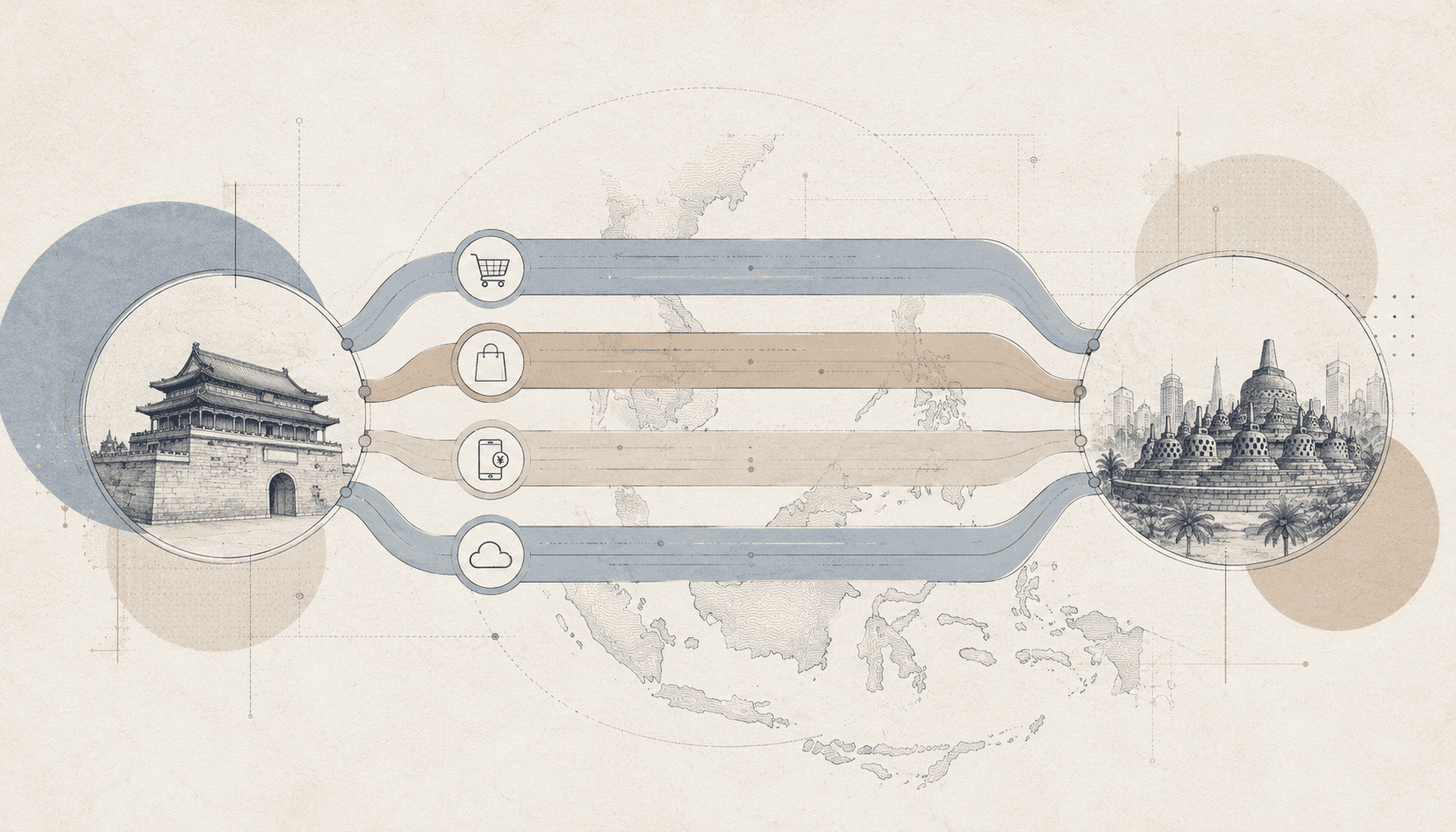
Ecommerce, social commerce, payments, logistics and cloud are making China–Indonesia one of the region’s defining digital relationships. Indonesia’s digital economy is projected to hit US$109 billion in GMV in 2025 … Read more
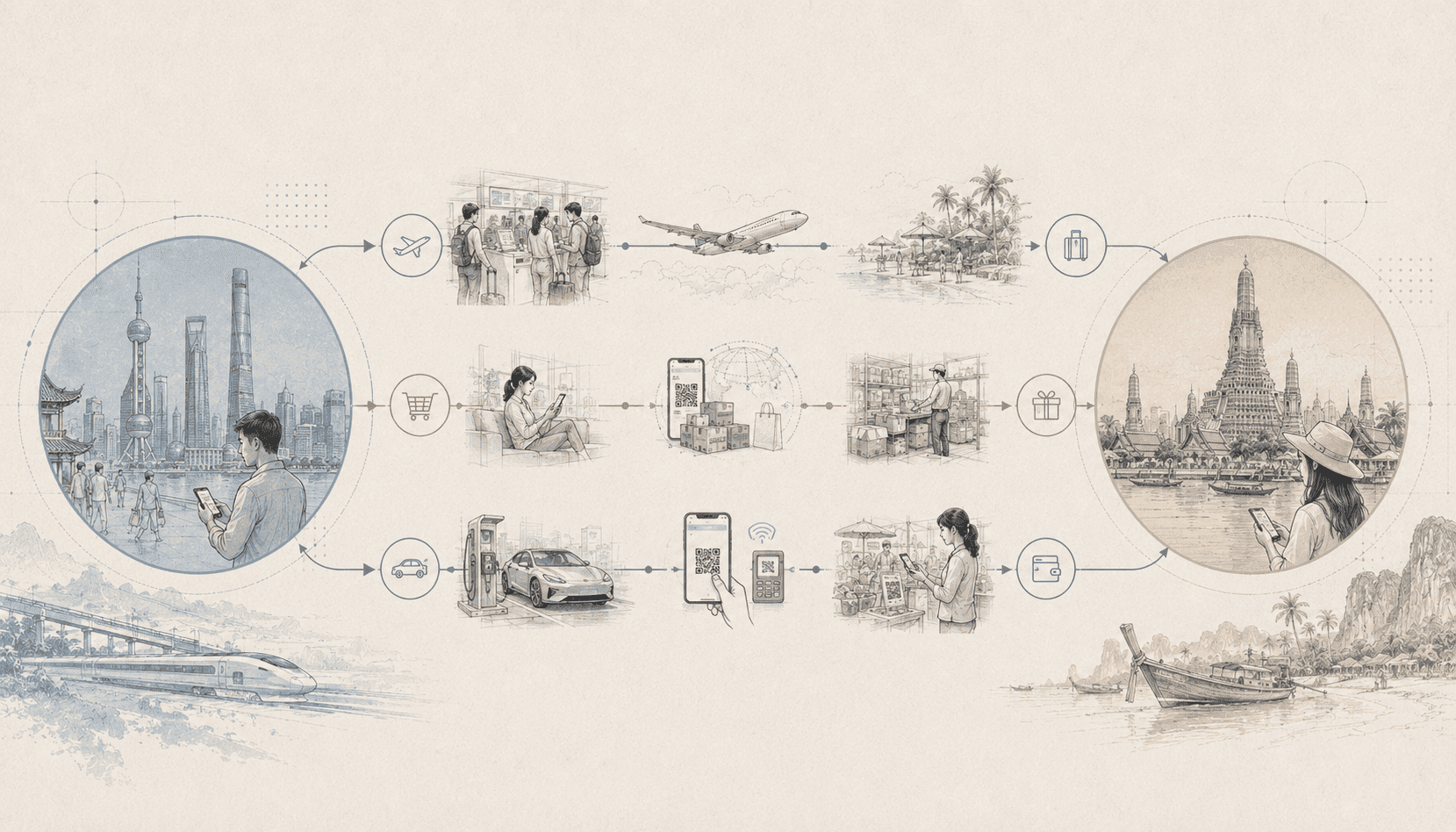
Chinese platforms, payments, ecommerce, EVs and travel flows are reshaping Thailand’s consumer and digital economy. Thailand’s e-commerce market grew faster than any other Southeast Asian country in 2025, and Chinese … Read more