
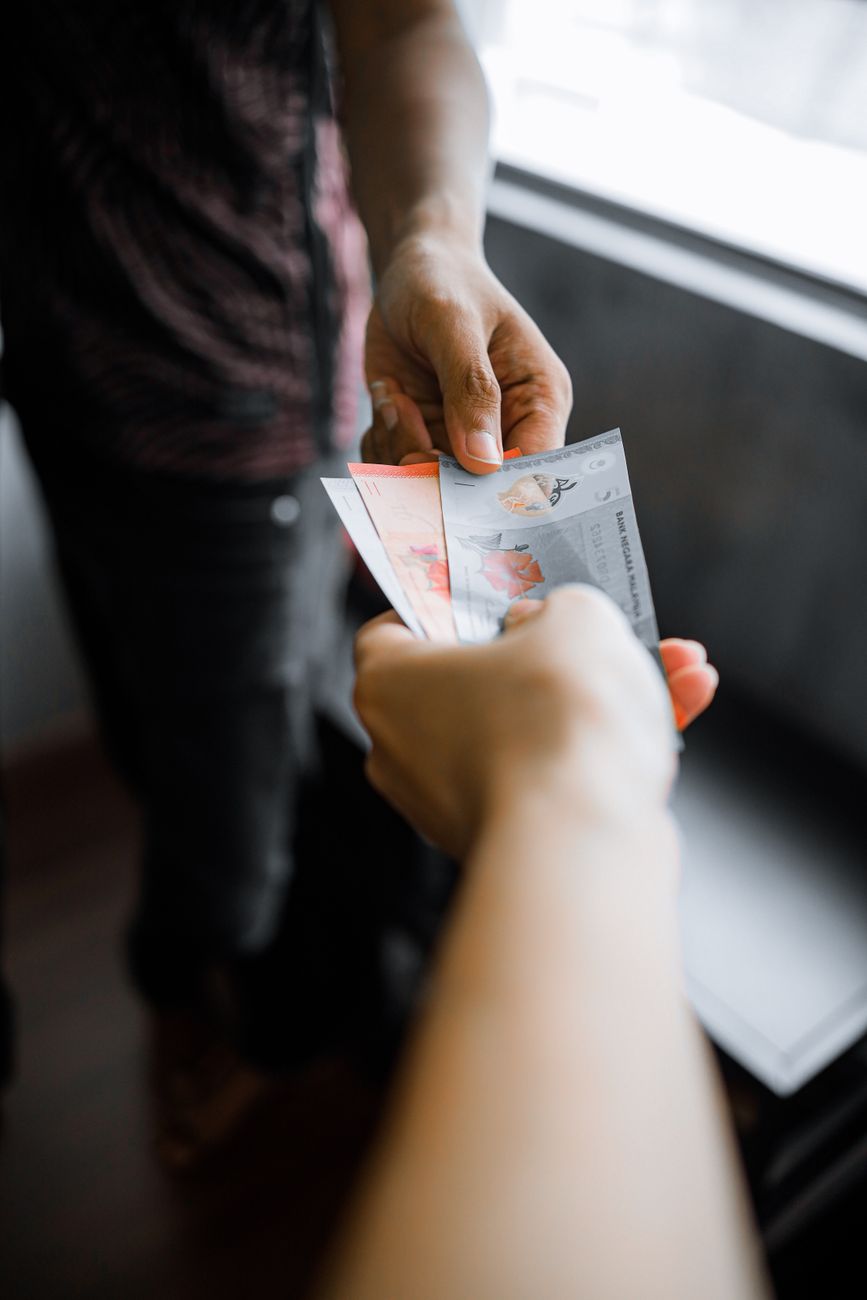
For two decades, the defining quirk of Southeast Asian e-commerce was that most people paid the courier in cash. Cash on delivery (COD) in Southeast Asia made up 52% of the region’s e-commerce payments in 2019 — and it has fallen to 31% in 2024, on track for below 10% by 2028 (Statista; Fintech Singapore Global Payments Report). Digital payments now drive more than 70% of regional e-commerce. COD isn’t dead, but it’s dying, and the way it’s dying — fastest in the cities, lingering in the villages — tells you more about Southeast Asia’s digital transition than almost any other single number. Here’s why it persisted, what it costs, and why it’s finally fading.
How common is cash on delivery in Southeast Asia?
Still common, but falling fast. COD’s share of regional e-commerce payments dropped from 52% in 2019 to 31% in 2024, and is projected to fall below 10% by 2028 as digital rails take over (Statista; Fintech Singapore). Against that, digital payments now account for more than 70% of Southeast Asian e-commerce transactions, heading past 90% later this decade (e-Conomy SEA; IDC).
But the regional average hides enormous variation. COD is collapsing in the wealthy, banked markets and persisting in the lower-banked ones — which means the right question isn’t “how big is COD in Southeast Asia” but “how big is it where.”
Which countries still use cash on delivery most?
The split tracks banking access almost exactly. By recent payment-preference data, COD remains strongest in the Philippines (around 42%), Indonesia (around 38%) and Vietnam (around 35%), and weakest in Singapore, Malaysia and Thailand, where cards and wallets dominate (Statista, 2024). Measured a different way — share of e-commerce value rather than order preference — COD is around 23% in the Philippines, a reminder that COD orders tend to be smaller and lower-value than prepaid ones.
The Philippines is the clearest case: roughly half the adult population remained unbanked as of the World Bank’s 2024 data, so paying cash at the door isn’t a preference so much as the only option for millions. Thailand sits at the other end — even though 58% of Thai consumers used COD in the past month, it’s forecast to fall to around 5% of e-commerce transactions by 2028 as PromptPay and wallets take over. Same region, opposite trajectories, and banking penetration explains most of the gap.
Why did cash on delivery dominate Southeast Asia?
Two reasons, and they reinforce each other: access and trust. On access, large parts of Southeast Asia were historically unbanked and card-light — for years a large majority of Indonesians held no credit card — so cash was simply the available instrument. You can’t pay online if you have no online means to pay.
On trust, COD solved the central anxiety of early e-commerce in markets without strong consumer protection: what if I pay and the goods never come, or arrive broken? Paying the courier in cash, only after the parcel is in your hands, removed that risk entirely. In markets where buyers had been burned and had little recourse, “see it first, then pay” was a powerful default. COD wasn’t a payment method so much as an insurance policy — and that’s exactly why it took a genuine shift in trust, not just technology, to dislodge it.
What does cash on delivery cost merchants and platforms?
More than it looks, which is why platforms have quietly worked to kill it. The headline problem is failed deliveries: in the Philippines and Vietnam, COD failure rates run around 15%, versus 3–5% for prepaid digital orders (McKinsey). Roughly every seventh COD parcel is refused at the door, bounces on a bad address, or comes back unpaid — a logistics drain that couriers and sellers absorb directly.
Beyond failed deliveries, COD carries cash-handling costs, theft risk, and a working-capital drag (the seller is paid only after delivery and reconciliation, not at checkout). And it invites disputes — Indonesia saw viral incidents in 2021 of customers refusing to pay after inspecting goods and then abusing the couriers, prompting public calls for Shopee, Tokopedia and Lazada to drop COD entirely. They mostly didn’t, because in lower-trust segments removing COD still loses sales. That tension — expensive to run, costly to remove — is the whole story of why it lingers. For how the digital alternatives actually work, see our explainer on how digital payments work in Southeast Asia.
What’s replacing cash on delivery?
A stack of digital rails, led by e-wallets: GoPay, OVO and DANA in Indonesia; GCash and Maya in the Philippines; MoMo in Vietnam; TrueMoney in Thailand; plus the platform wallets like ShopeePay. Behind them sit national QR standards — QRIS in Indonesia, PromptPay in Thailand, VietQR in Vietnam (mapped market by market in our Asia digital payments tracker) — that made digital payment as frictionless as scanning a code, and a fast-growing buy-now-pay-later layer embedded into the checkout of every major platform.
The platforms are not neutral here. Shopee, Lazada and TikTok Shop all push their own wallets hard, because a prepaid order is a cheaper, more reliable order — it cuts the failed-delivery rate, captures payment at checkout, and keeps the customer inside the ecosystem. Every wallet incentive and checkout default is, in part, a quiet campaign against COD. For the GMV picture behind these platforms, see our TikTok Shop and Shopee GMV tracker.
Is cash on delivery dying?
Declining structurally, but not vanishing — and the distinction matters. On current trajectory COD falls into single digits as a share of regional e-commerce payments by 2028 (IDC). In the banked, urban, wallet-saturated markets it’s already marginal. But it will persist as a long tail in tier-2 and tier-3 cities and rural areas, among the unbanked, and in low-trust transactions where buyers still want to see before they pay.
That’s the honest read on Southeast Asian COD: a payment method that was never really about payment, dying everywhere the conditions that created it — no bank account, no trust, no recourse — have been solved, and surviving precisely where they haven’t. Watch the COD share in a given market and you’re really watching how far its digital transition has run. The number going to zero is the same thing as the financial system reaching everyone. For the marketplaces where these payments happen, see our Asia e-commerce marketplace tracker.
Frequently asked questions
How big is cash on delivery in Southeast Asian e-commerce?
COD fell from 52% of regional e-commerce payments in 2019 to 31% in 2024, and is projected below 10% by 2028 (Statista; Fintech Singapore). Digital payments now drive more than 70% of Southeast Asian e-commerce.
Which Southeast Asian country uses cash on delivery the most?
The Philippines, at around 42% by payment preference (and about 23% of e-commerce value), followed by Indonesia (~38%) and Vietnam (~35%). COD is much lower in Singapore, Malaysia and Thailand. The pattern tracks banking access closely.
Why is cash on delivery so common in Southeast Asia?
Two reasons: historically low banking and card penetration meant cash was the only available instrument, and COD solved consumer trust — paying only when the goods arrive removed the risk of being defrauded in markets with weak buyer protection.
What’s wrong with cash on delivery for sellers?
High failed-delivery rates — around 15% in the Philippines and Vietnam versus 3–5% for prepaid orders (McKinsey) — plus cash-handling costs, theft risk, working-capital drag and payment disputes. It’s significantly more expensive to run than digital payment.
Is cash on delivery dying in Southeast Asia?
It’s in structural decline — projected into single digits of e-commerce payments by 2028 — but will persist as a long tail in tier-2 and tier-3 cities, rural areas and among the unbanked, where digital-payment access and trust are still building.
—
Discover more from Digital in Asia
Subscribe to get the latest posts sent to your email.
