
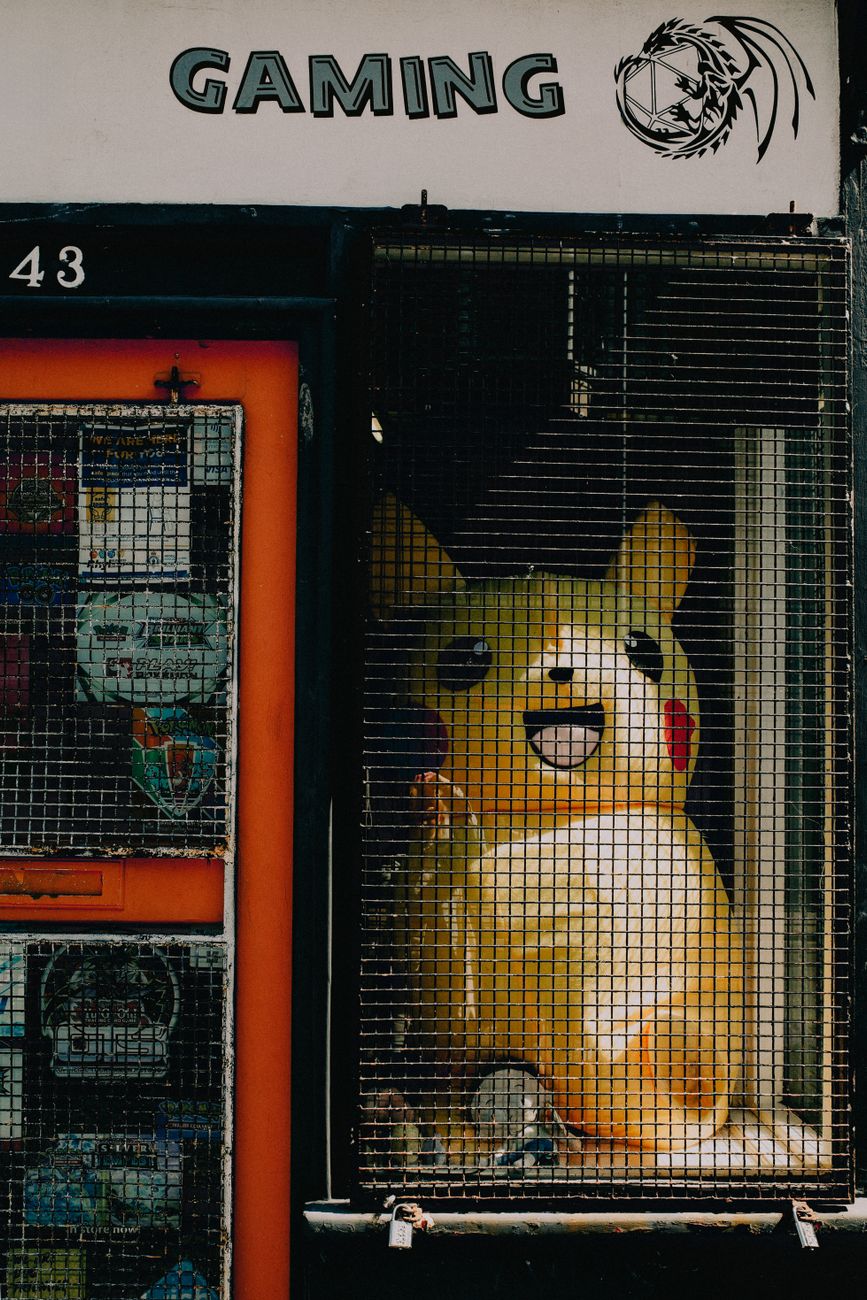
Japan is the OG gaming market, and nothing else in Asia works like it. It’s the world’s third-largest games market, generating over $20 billion a year (Newzoo), but its real weight is measured in franchises, not revenue. Pokemon is the highest-grossing media franchise in history — bigger than Star Wars or Mickey Mouse, with lifetime sales estimated above $90 billion — and it’s one of dozens of global institutions Japan built. This is the country that invented the console industry the rest of the world still plays on, and the original Asian games exporter. Where the rest of Asia is a story of scale and mobile, Japan is a story of IP and heritage.
How big is Japan’s gaming market?
Japan is consistently the world’s third-largest games market, with revenue surpassing $20 billion (Newzoo). Estimates vary by method — consumer-spend figures land near $16 billion, broader market outlooks run higher — and the weak yen has depressed dollar conversions, so treat any single number with care. Niko Partners frames it cleanly: Japan accounts for more than 60% of the combined Japan-Korea-Taiwan market, which it projects at $30.8 billion by 2027.
Japan and South Korea together generated $29.1 billion in 2024, a slight dip the analysts attribute to the yen rather than any structural decline (Niko Partners). The defining feature isn’t growth — Japan’s population is ageing and the market is flat. It’s value: a smaller, older, affluent player base that spends like nowhere else on earth, and a vault of intellectual property the whole world grew up on.
Japan is console AND mobile, not mobile-only
The clearest break from the rest of Asia is the platform mix. Where Southeast Asia is effectively mobile-only, Japan keeps a powerful console habit alongside its mobile spending — mobile is just 55% of revenue — the lowest mobile share of any major Asian market — with console and PC taking most of the rest. A non-mobile share that large is unthinkable in mobile-only Southeast Asia, and it traces straight back to Japan’s hardware heritage.
That heritage is still being written. Nintendo’s Switch 2 sold more than 3.5 million units in its first four days in June 2025 — the fastest start of any Nintendo console ever, by the company’s own account — on top of the original Switch’s 154 million lifetime sales. Japan is the country that made the console a global consumer object, and it still sets the pace.
The IP vault: Japan’s real export
This is where Japan’s place in the Asian export story becomes clear. Asia exports more than half the world’s mobile games — but Japan was the original exporter, and it exports something deeper than apps: the franchises that define global gaming. Pokemon is the highest-grossing media franchise of all time, ahead of Star Wars, Mickey Mouse and Marvel, with lifetime sales estimated above $90 billion — and most of that value lives outside games, in trading cards, anime and merchandise. That’s the Japanese model in one example: a game becomes a universe, and the universe earns for decades.
The vault is staggeringly deep. Mario is the best-selling game franchise in history; Pokemon, Zelda, Final Fantasy, Dragon Quest, Monster Hunter, Sonic, Street Fighter, Metal Gear, Resident Evil, Tekken, Kingdom Hearts, Animal Crossing — each is a global institution, and almost every one is decades old. No other country, including the United States, owns a comparable spread of franchises that have stayed culturally central across forty years and multiple hardware generations. These aren’t hits; they’re heirlooms, and Japanese publishers monetise them across film, theme parks, toys and each new console in turn. The Super Nintendo World theme parks and the billion-dollar Super Mario Bros. Movie are the same asset Nintendo shipped in 1985, still compounding.
These still sell at landmark scale. Capcom’s Monster Hunter Wilds sold 8 million copies in three days and 10 million in a month in 2025, the company’s fastest-selling title ever, with the series past 108 million lifetime (Capcom). And the export reality is stark in the numbers: around 80% of Nintendo’s sales come from outside Japan. Japan is a Japanese industry that earns most of its money abroad — soft power as a business model, decades before the phrase existed.
Japan invented gacha — and still spends the most on it
On mobile, Japan pioneered the gacha model — paying for randomised in-game pulls — and remains its most lucrative market on earth. Monster Strike, from mixi, has earned over $11 billion globally, the highest-grossing Japanese mobile game ever, and titles like Fate/Grand Order command per-player spending several times the global norm (Sensor Tower). The clearest sign of how domestic this money is: 94% of Uma Musume’s roughly $2.5 billion in lifetime revenue came from Japan alone.
That concentration is the inverse of China’s export machine. Japan’s mobile giants make extraordinary sums largely from Japanese players — a deep, loyal, high-spending home audience rather than a global one. For how gacha and free-to-play economics actually work, see our breakdown of how gaming monetisation works in Asia.
Who are the biggest Japanese game companies?
The roster is the industry’s foundation. Nintendo and Sony — whose PlayStation, a Japanese product, leads the global console market with more than 84 million PS5s shipped — sit at the top. Behind them: Capcom (record results for nine straight years), Bandai Namco (record net sales around $6.7 billion), Square Enix, Sega, Konami and Koei Tecmo, plus the mobile powers Cygames and mixi.
What unites them is durability. These are companies sitting on franchises decades deep, monetising the same characters across generations of hardware. It’s a fundamentally different model from the live-service, growth-chasing logic of the rest of Asia — slower, steadier, and built on owning the stories rather than renting the attention.
Why Japan under-indexes on esports
For all its scale, Japan is strikingly small in esports. The Japanese esports market was worth only around $125 million in 2024 — a fraction of what a top-three games market would suggest. The reason is legal: decades-old anti-gambling and prize-display laws historically capped tournament prize money at about $934, throttling the professional scene until a 2018 licensing workaround and gradual deregulation began to loosen it.
The exception is fighting games, where Japan’s heritage is unmatched — EVO Japan 2026 set a Guinness World Record with over 7,000 entrants in a single Street Fighter tournament. Japan also led the world on loot-box regulation, banning the “kompu gacha” mechanic in 2012, the first country anywhere to outlaw a loot-box type, and doing it under consumer-protection law rather than gambling law. The picture that emerges is singular: a market that earns through heritage and gacha, exports through franchises, and runs by its own rules. There is no second Japan in Asian gaming. For the regional picture, see the Asia gaming market pillar.
For how the country accesses and uses AI — which models work and which win — see our guide to AI in Japan.
Frequently asked questions
How big is Japan’s gaming market?
Japan is the world’s third-largest games market, with revenue surpassing $20 billion (Newzoo). It accounts for more than 60% of the combined Japan-Korea-Taiwan market that Niko Partners projects at $30.8 billion by 2027. Estimates vary by methodology and are affected by the weak yen.
What is the highest-grossing media franchise?
Pokemon, created by Japan’s Nintendo and Game Freak — the highest-grossing media franchise of all time, with lifetime sales estimated above $90 billion, ahead of Star Wars and Mickey Mouse.
Is Japan a console or mobile gaming market?
Both — unlike most of Asia. Mobile is around 55% of revenue — the lowest mobile share of any major Asian market — with console and PC taking most of the rest, far above mobile-only Southeast Asia. Nintendo’s Switch 2 sold over 3.5 million units in its first four days in June 2025.
Why is Japan’s esports scene so small?
Japan’s esports market was only about $125 million in 2024, small for a top-three games market, because anti-gambling and prize-display laws long capped tournament prizes at around $934. A 2018 licensing workaround and gradual deregulation are now loosening the constraint.
Does Japan export its games?
Extensively — it was the original Asian games exporter. Around 80% of Nintendo’s sales come from outside Japan, and franchises like Pokemon, Mario and Final Fantasy are global institutions. Japan built the console industry the world still plays on.
Discover more from Digital in Asia
Subscribe to get the latest posts sent to your email.
